Category Archives: beach

A Walk with Josephine

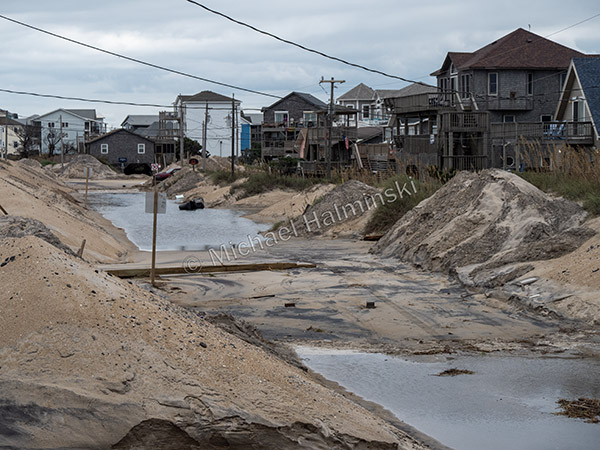
This was the second storm in less than a month that’s taken out highway 12 at Pea Island.  While trying to decide what to do about it, NCDOT continues moving sand to temporarily protect what’s left. It’s been a predictable dilemma for decades.
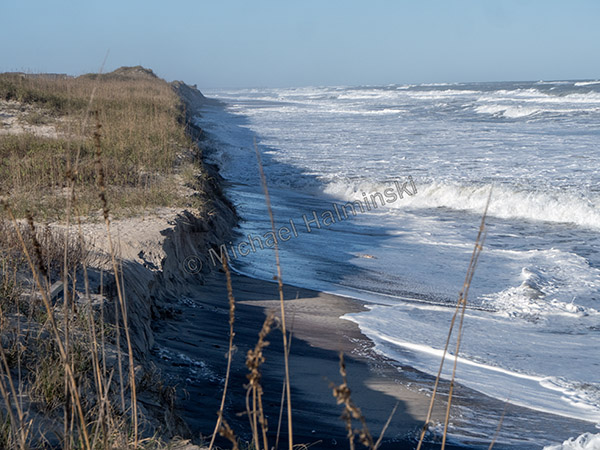
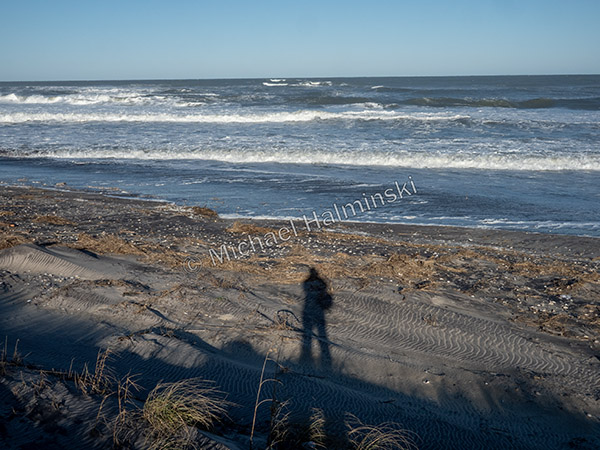
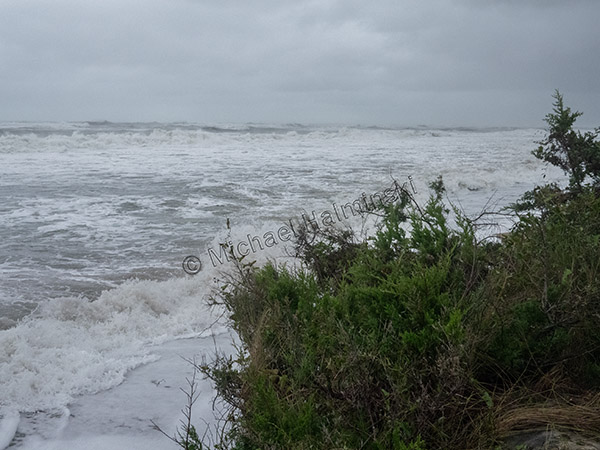
Large waves from Josephine combined with abnormally high tides contributed to eroding dunes and shifting sand.
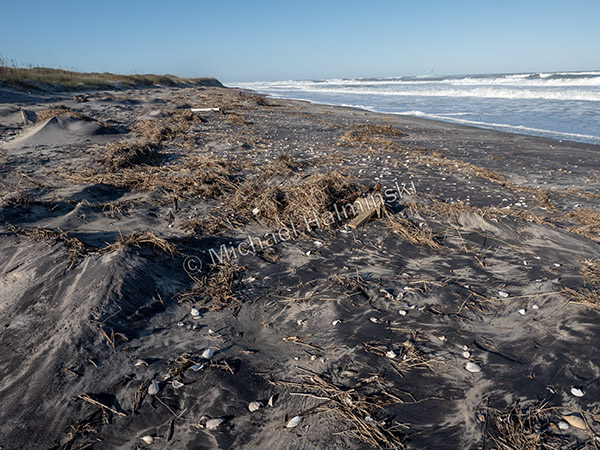
The beach was littered with tons of upstream debris.
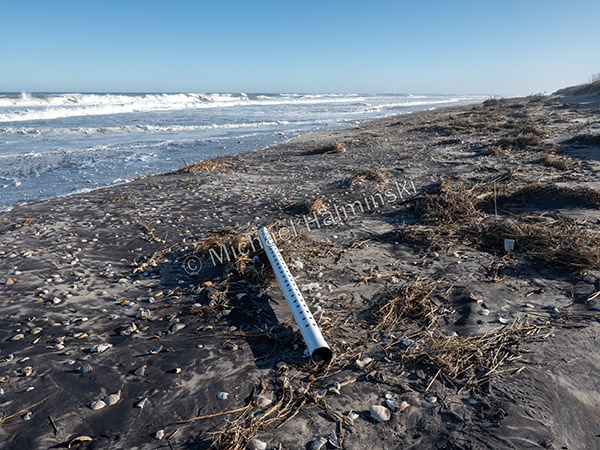
I’ve long savored stormy weather to vent my photography.
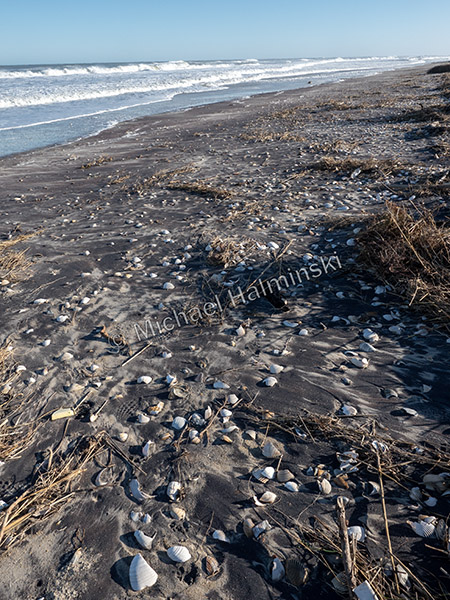
There’s not much I enjoy more than exploring the beach, feeling the surrounding energy. This event created a shell hunter’s dream.
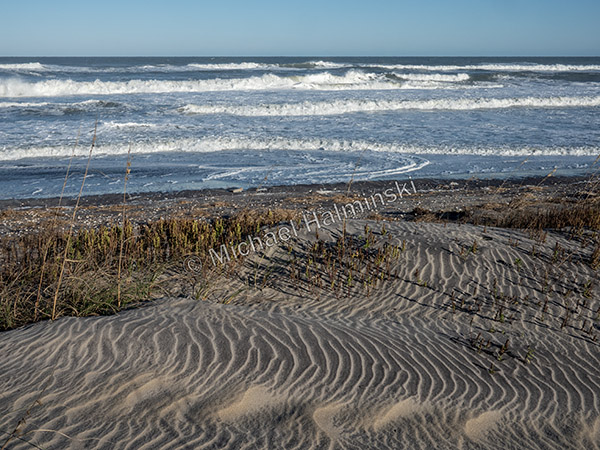
It’s a sensual experience, drawing me to whatever I encounter. 
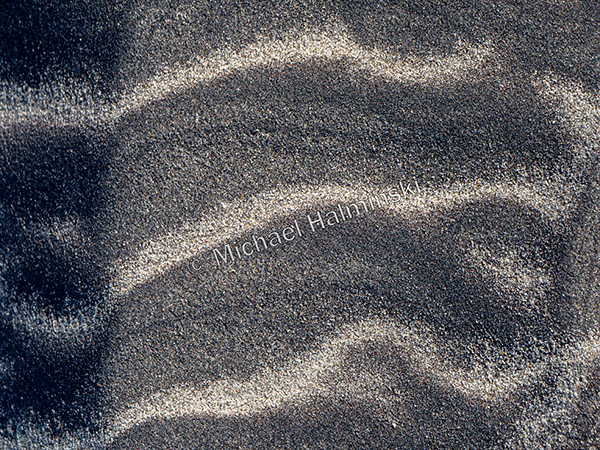
A keen eye discovers abstract patterns everywhere.
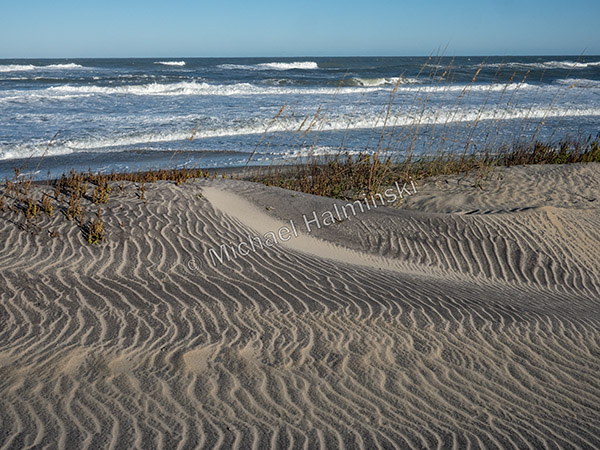
Usually by myself, it’s personal and theraputic.
Afterthoughts

Nature struck another blow to Hatteras. As the storm cleared out, I gathered my thoughts. This island is created by powerful natural elements. That’s the allure that brought me and many others here. Only a couple weeks ago, we were still in our routines of summer. There were plenty of visitors, the ocean was warm, calm and no storms. With the arrival of Fall, things changed almost overnight.

Weather forecasting predicted an event that found many folks unprepared. The low pressure arrived with a bang, throwing tremendous waves at us. It happens often, but tourism remained in place despite the threat of over-wash across vulnerable roadways. In the end, this storm has  made its unique signature added to a list of many in the past.

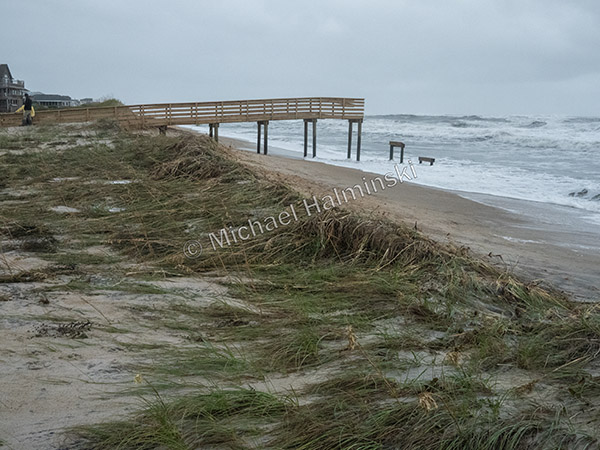
A vegetated dune is the first line of defense.

Dunes bow to the power of rushing water. At the KOA, a walkway spanning a once high dune, is sheared.

Sandbags are a desperate attempt to save infrastructure.

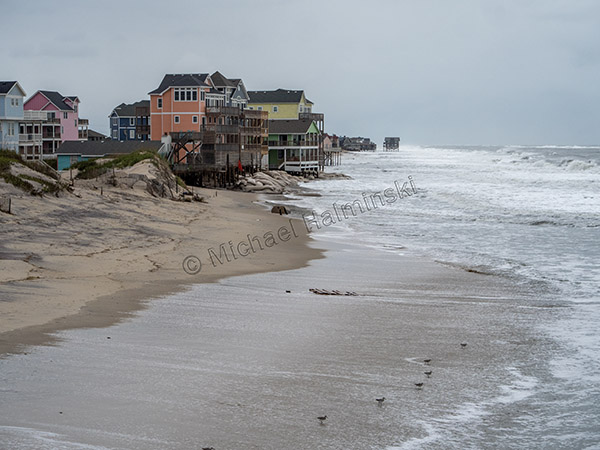
In Rodanthe, Ocean Drive sits behind a row of oceanfront cottages. They’ve been digging this out for years. Storms past have claimed at least two houses here.

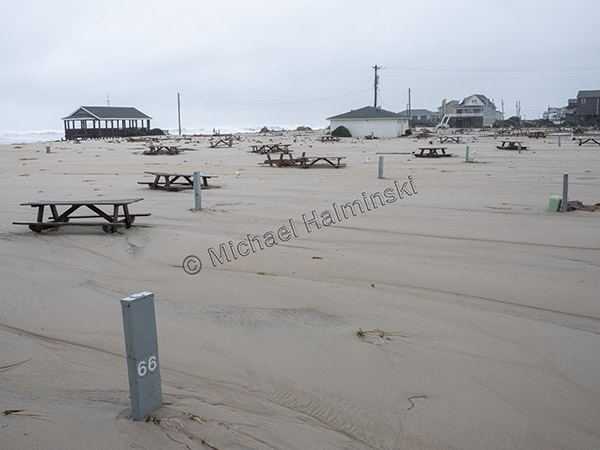
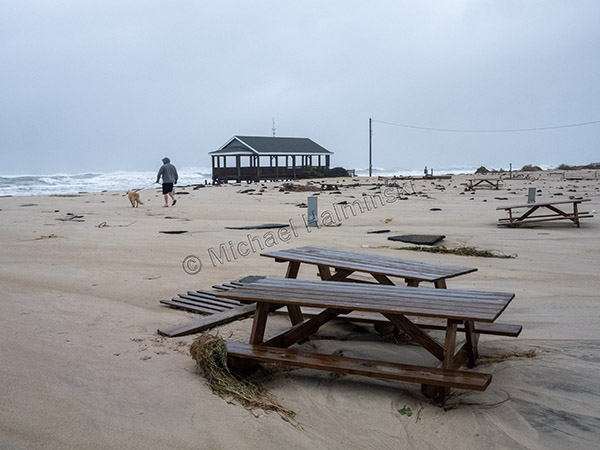
I thought about people happily congregating around these picnic tables at Camp Hatteras just days ago.

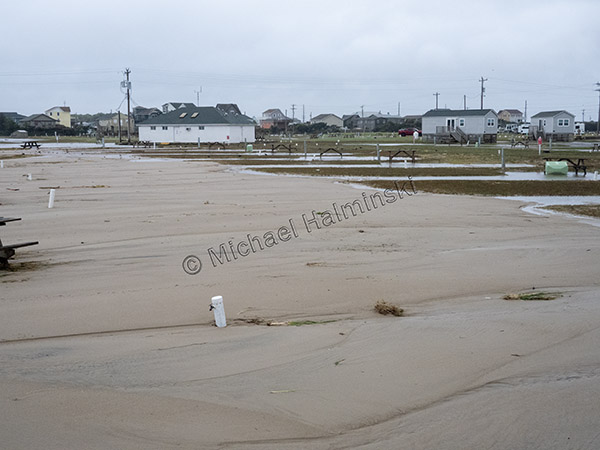
Over-washed sand covers half the campground now.

Debris and broken asphalt litter the ground.

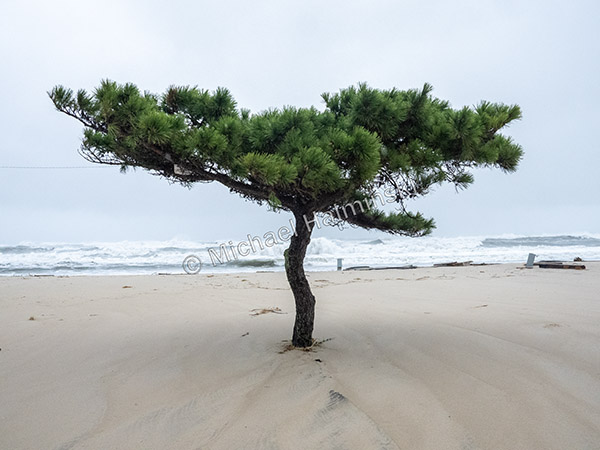
I was drawn to a lone pine seemingly awaiting its fate.

Each event we can learn how to live better within these elements. Nature is deemed destructive when man defies it, and highway 12 is a good example.

Now what?


Why I Live Here

People ask, how’s the photography going? My answer can vary, but it depends what I’m working on. Nowadays I’ve cut back shooting, to spend more time editing and archiving what’s accumulated. I’m a photographic hoarder. I maintain and store what I shoot in a reasonably categorized fashion, so when looking for particular images, I can almost always find them. There are a few missing in action, others may have been inadvertently tossed. I just do the best I can.

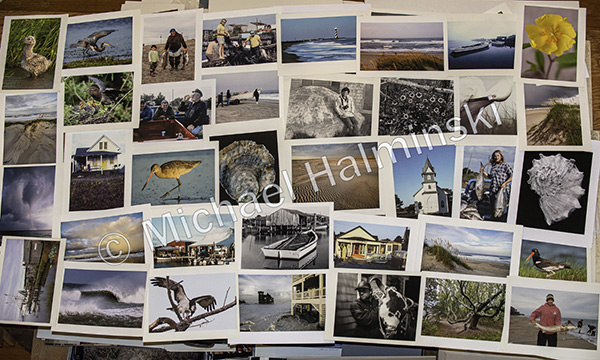
I have boxes of saved work prints. Many shot with film, others taken with digital cameras that I began using in 2003. For the above image I spread some 10 inch prints across my work table and photographed them from above.

They show some of the reasons why I live here. So to answer that first question, it’s good!

A Cold Winter

When first settling down on Hatteras Island, I was impressed how temperate winters were. Those first few years, never dipped below 40°. By1977 though, that changed when I watched Pamlico Sound freeze. Combined with hard northwest winds, it made life a bit uncomfortable, especially since I heated with a tiny wood stove. Still in my early twenties, I was a lot tougher then.

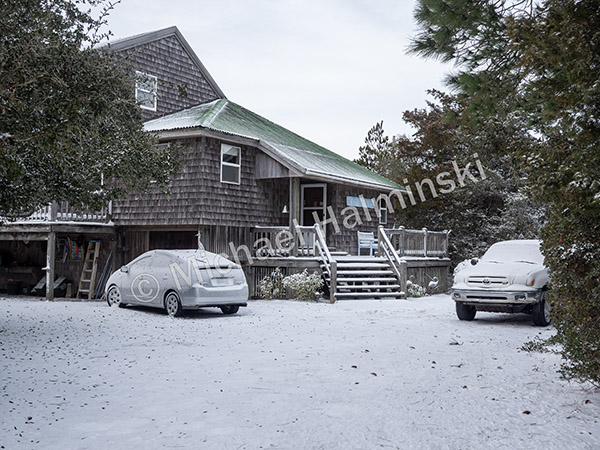
Exceptionally cold winters seem to come in cycles. This year was proof, when it dropped to 22°. We had only a couple inches of snow, while up north it was measured in feet.

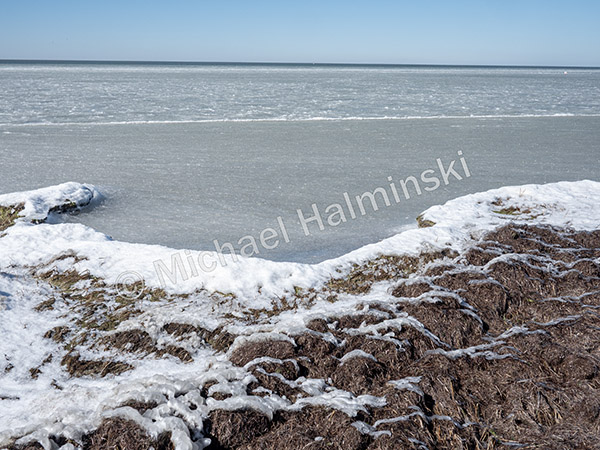
Behind my house, the Pamlico Sound froze 200 yards out from the shoreline. It was unusual, yet not totally unheard of.

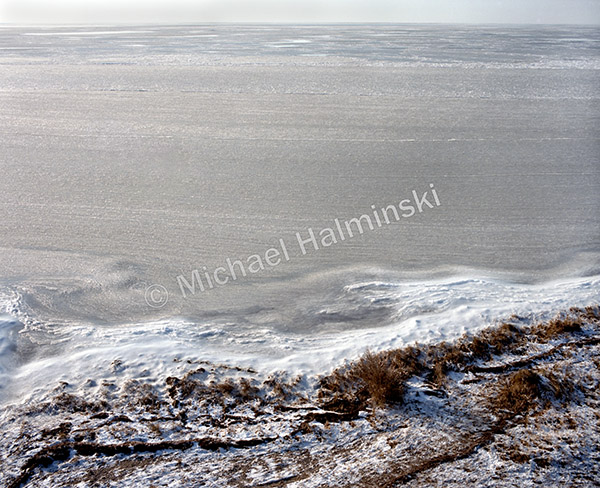
A few times in the past, I’d seen it freeze hard for as far as one could see. In 1996, it did just that. It was thick enough for Gary Midgett to drive his truck out on it.

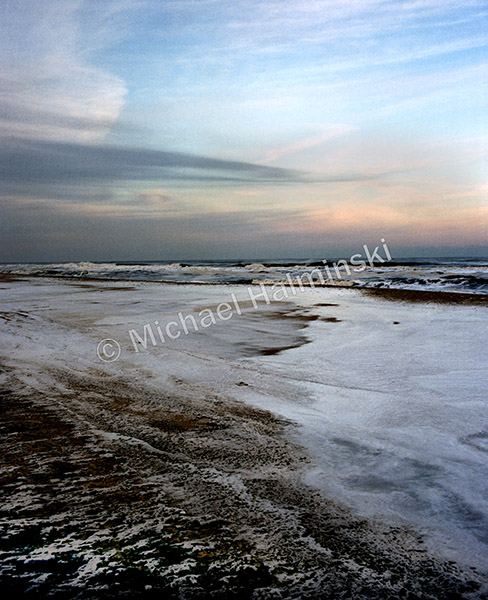
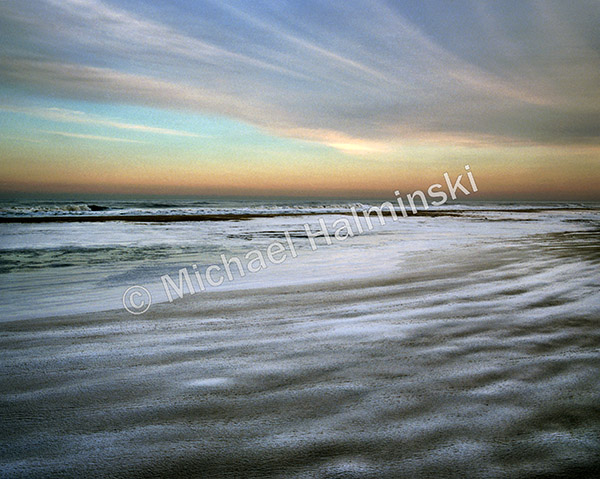
During that same event, Temperatures were in the teens as I drove out on the beach. Waves lapped on shore freezing instantly. The atmosphere had an eerie, static feeling. I set up a tripod with a mounted Pentax 6×7 film camera in the bed of my Dodge, snapping several exposures of a rare frosty occurrence.

As the sun set behind me, I took the last shot. It was and still is the coldest day I’ve ever experienced on Hatteras Island.


Erin Intrigue

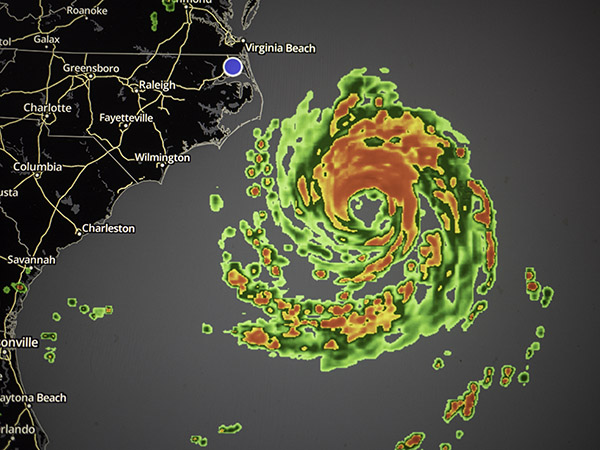
No two hurricanes are exactly the same. As destructive as they can be, they’re awe-inspiring. Over the years, I’ve experienced many. I’d rather not document devastation, but instead the natural display they can produce. Hurricanes are best seen from a distance.

Thanks to modern meteorology, the storm’s forecast was spot-on. With high predictions to stay offshore, we decided to hunker down at home. Depending on the level of anxiety, one can either board up or not. In this case, we didn’t. Our strongest wind maybe gusting to 50, occurred on the backside, after Erin passed Hatteras Island. Rainfall was negligible and my barometer bottomed out at 996 millibars.

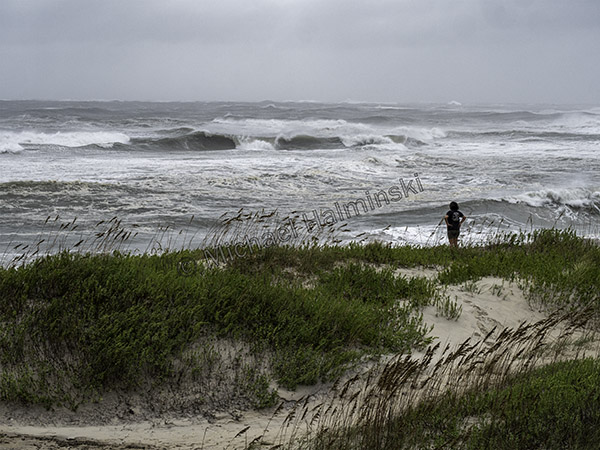
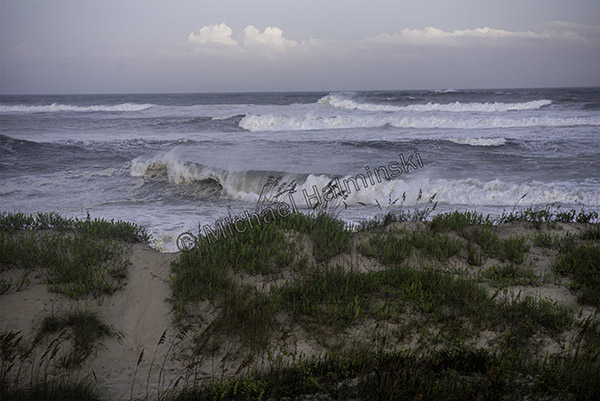
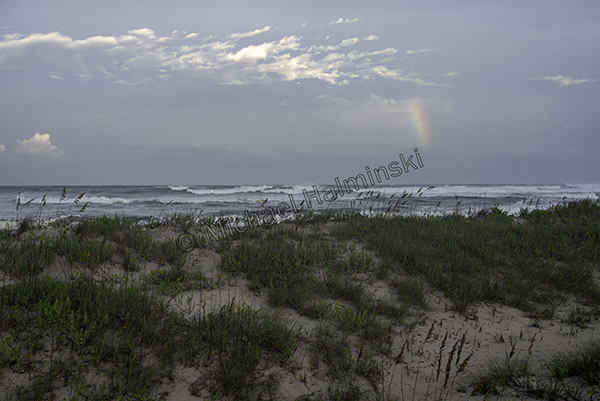
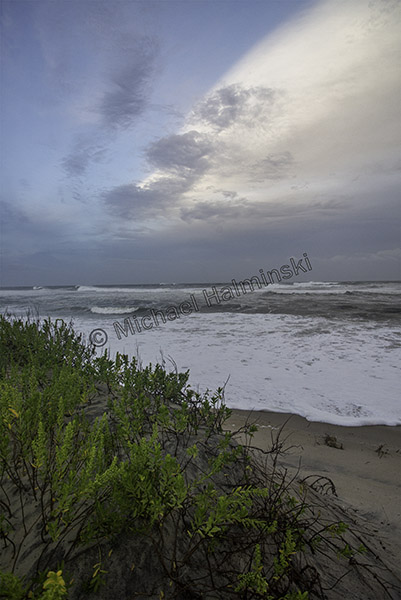
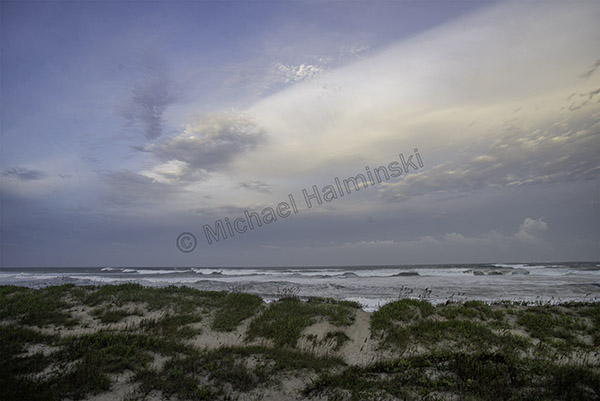
The evening before the hurricane made its pass, I walked to the beach to take it all in.

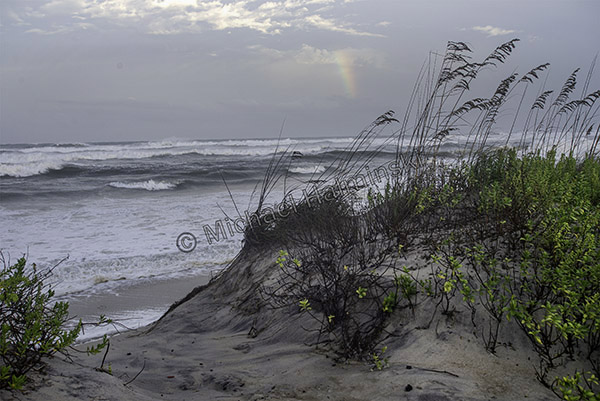
I was rewarded with a sliver of color as the sun set behind me.

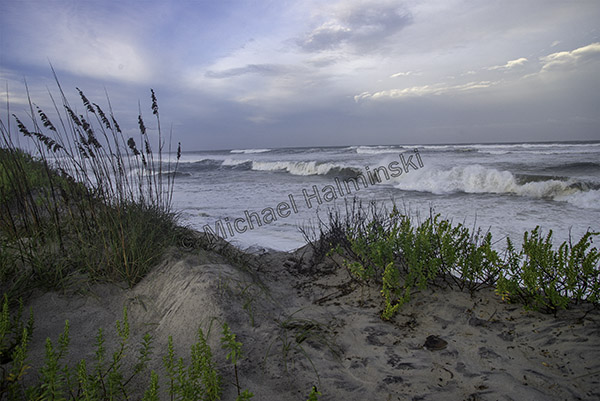
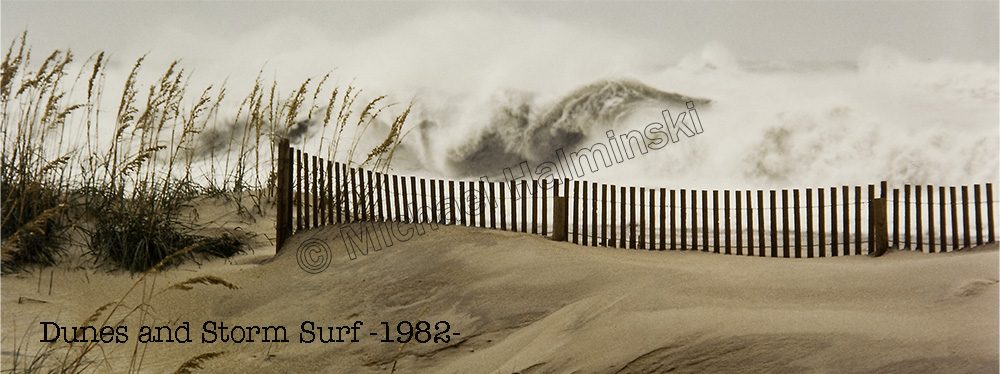
Vegetated dunes took a beating with sea oats and beach elder holding fast.

Adding to the show, impressive cloud formations twirled above.

Thanks to the positioning of a frontal system, the main core of Hurricane Erin missed us, recurving offshore.

It was a close call and the result could have been much different. A bullet dodged. And this is just the beginning of a new hurricane season!