For me, the most intriguing town on the Outer Banks is the village of Portsmouth. Situated on the northeast tip of Portsmouth Island, it played a significant role in local maritime history for well over one hundred years. It’s geographic location next to Ocracoke Inlet was important in making it a major port of commerce when wooden ships still sailed the seas. Deep draft ocean going vessels could offload goods there, and smaller boats would come from inland river towns to pick it up. From the 1750’s to the 1850’s, Portsmouth was a thriving seaport. According to an 1860 census, the town had a population of 685 residents.
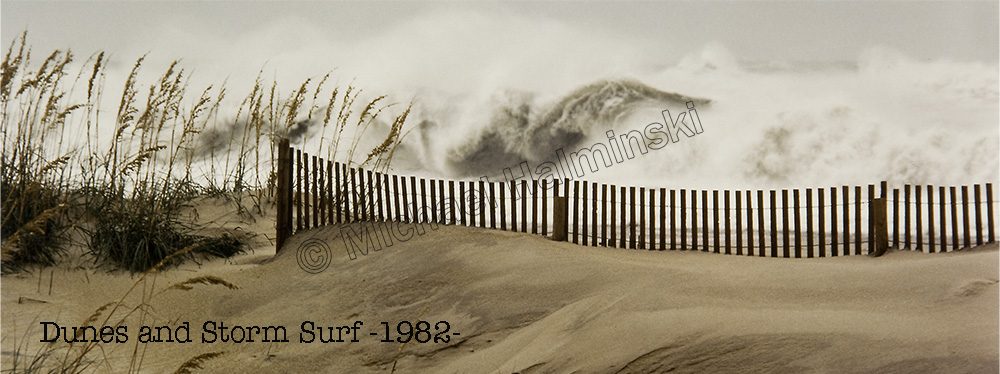
But by then, things were beginning to change. A series of storms opened other inlets, and at the same time Ocracoke Inlet began to shoal. Shipping routes changed, commerce dropped off, and gradually the town dwindled to only a few people. With the death of Henry Pigott in 1971, the last man to live at Portsmouth, the last two residents, Elma Dixon and Marion Babb reluctantly left the island.
Today the 250 acre historic district of Portsmouth Village is a part of the Cape Lookout National Seashore. The remains of the town have been left intact and maintained.
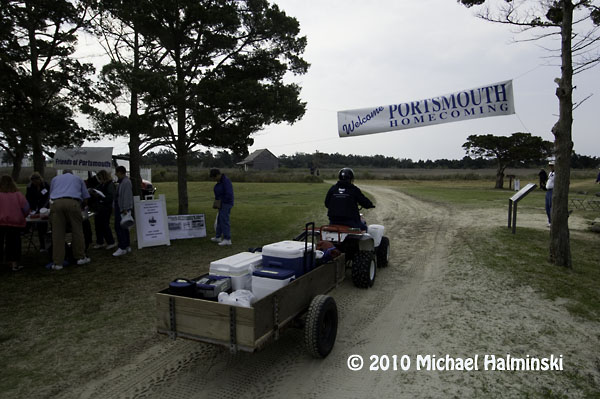
Since 1992, the Friends of Portsmouth Island have sponsored a homecoming every 2 years. I went in 2008, and looked forward to this April 24, 2010 event. Again I was not disappointed. Here are a few things that caught my eye.

Descendants of village residents pose for a photographer in front of the Dixon/Salter house.
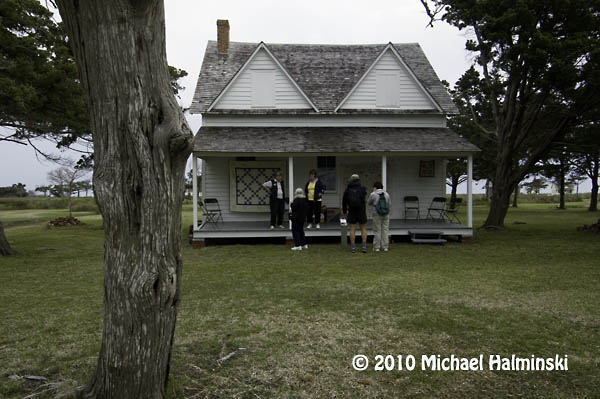
The Robert Wallace house.
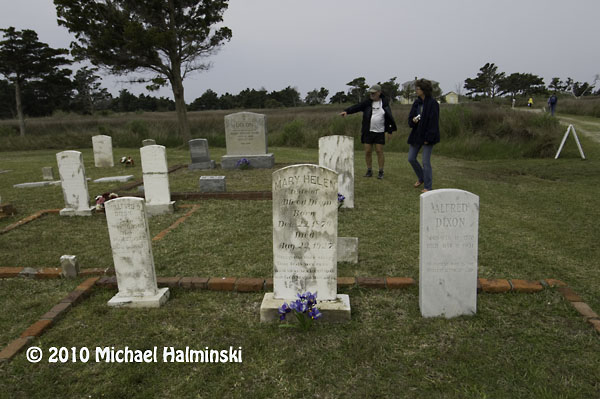
The Dixon family cemetery.
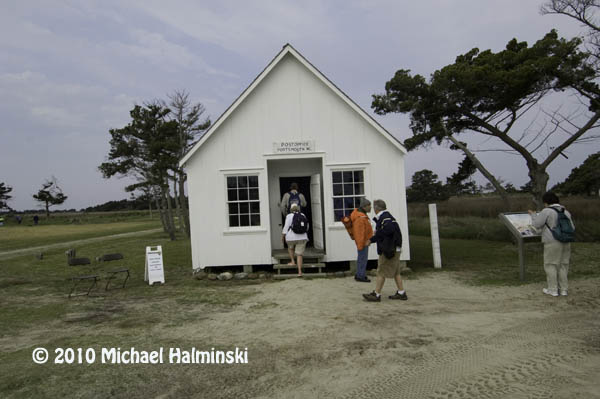
The post office opens every other year for this event, including canceling postage stamps.

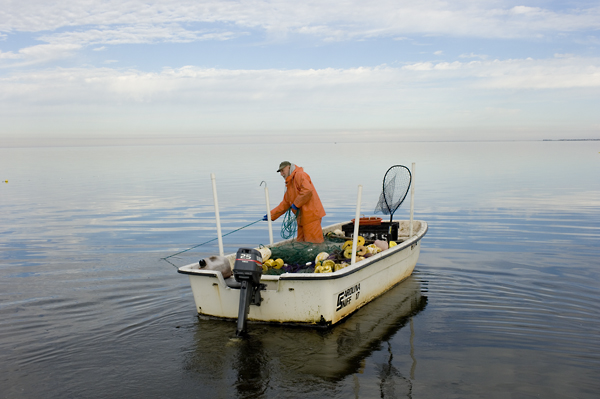
Ocracoke fisherman Gene Ballance demonstrates the art of net mending.
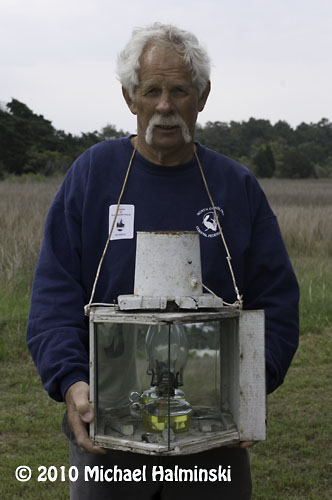
James Gaskill wears a device once used for fire-lighting waterfowl. He is also a commercial fisherman from Ocracoke.
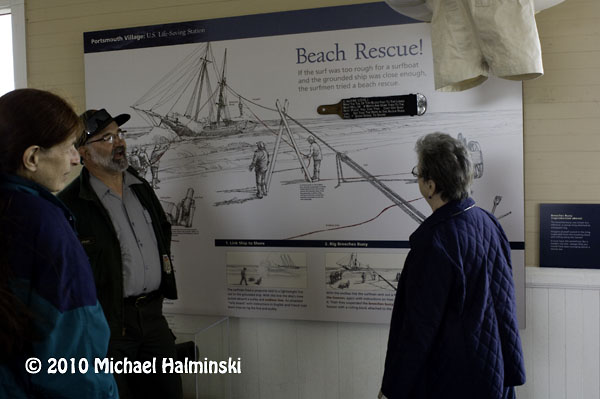
At the old Coast Guard Station, Dave Frum explains the beach apparatus method for rescuing shipwreck survivors.

The Methodist Church was always a focal point of the community and still is.
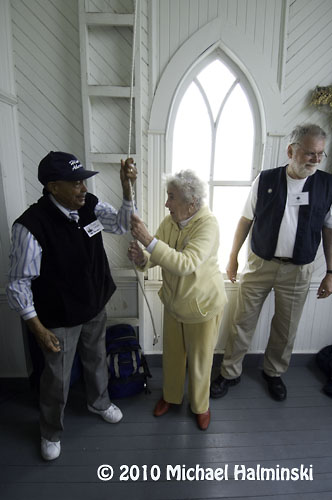
88 year old Rudy Carter and Mil Hayes ring the bell to begin a church service. Rudy is a descendent of Henry Pigott, the last man to live at Portsmouth.
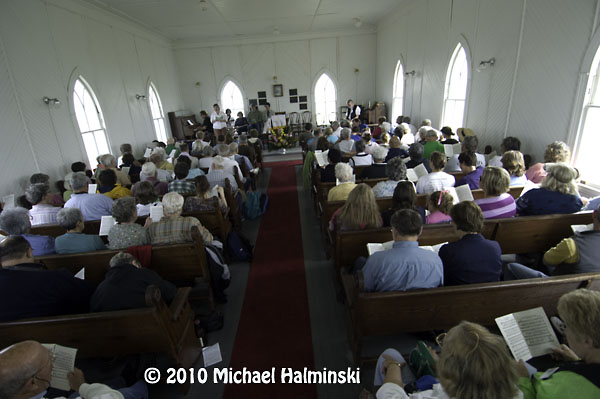
Get to the church on time if you want to get a seat.

Born in 1921, Dot Willis affectionally known as “Miss Dot”, is the last surviving resident that was born at Portsmouth Village. The light coming in the translucent windows of the church was very nice so I took the opportunity to speak with her, and make this available light portrait.
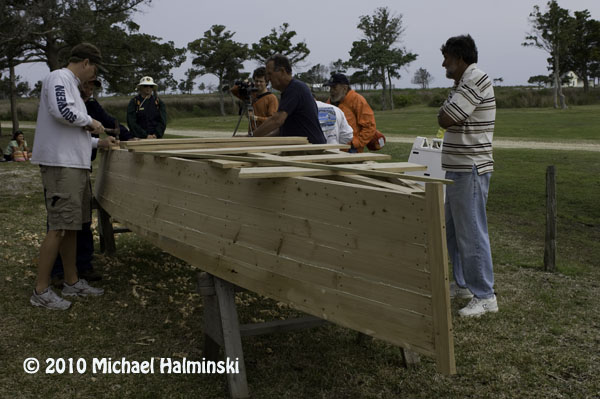
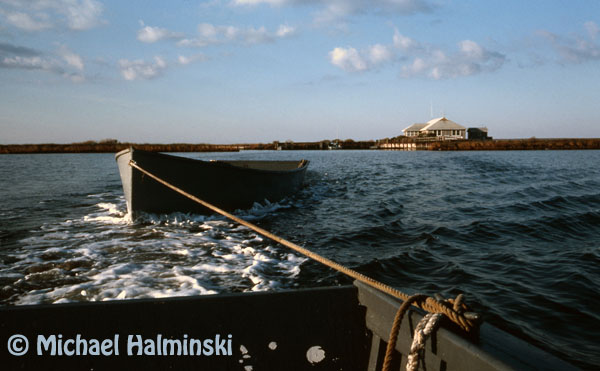
Back in the day, the flat-bottomed skiff was a preferred mode of transportation. These guys were fastening the bottom planks in a boat building demonstration.
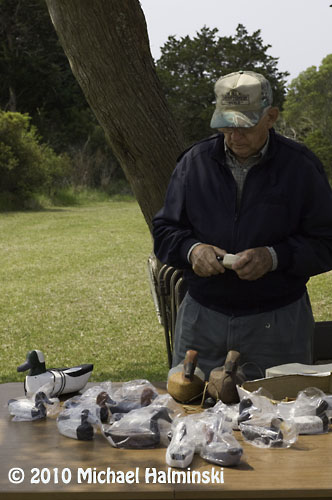
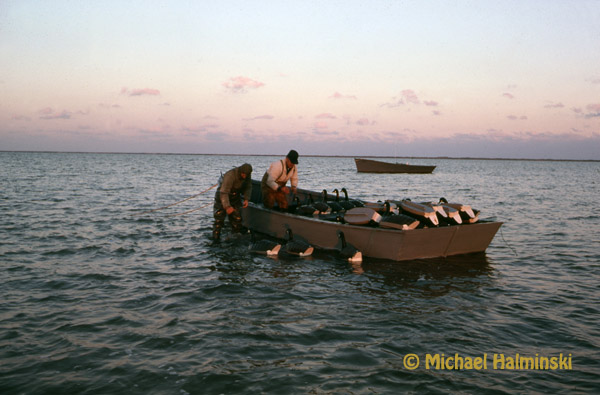
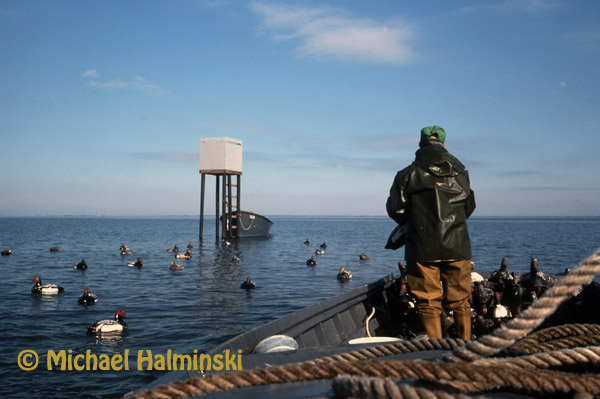
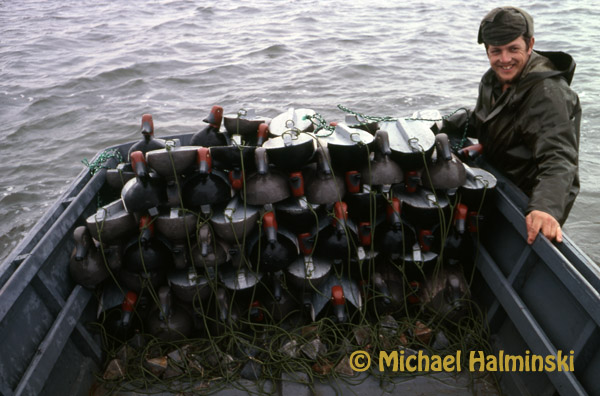
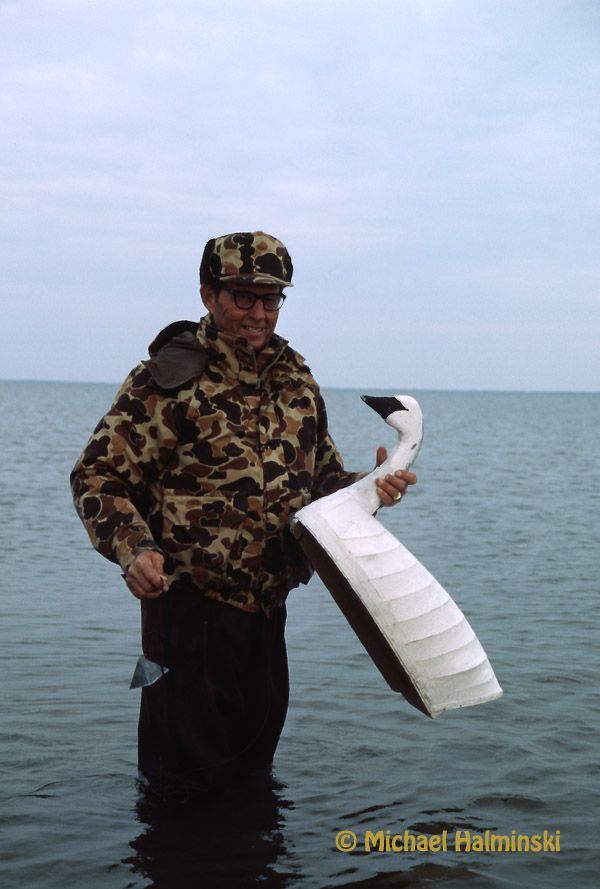
Roy Willis from Stacy, NC was showing his waterfowl carvings.

Roy made and hunted over these green winged teal decoys last season.
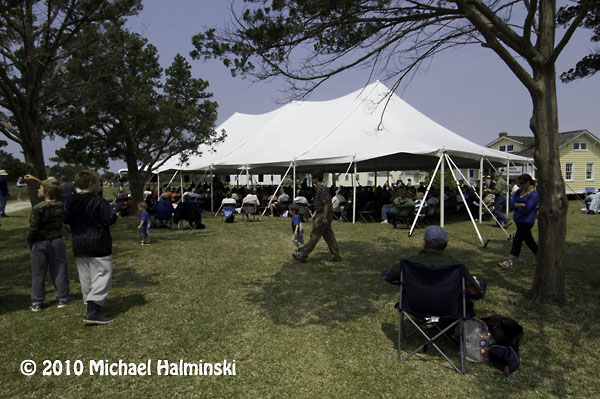
The main tent provides seating for up to 500 people.
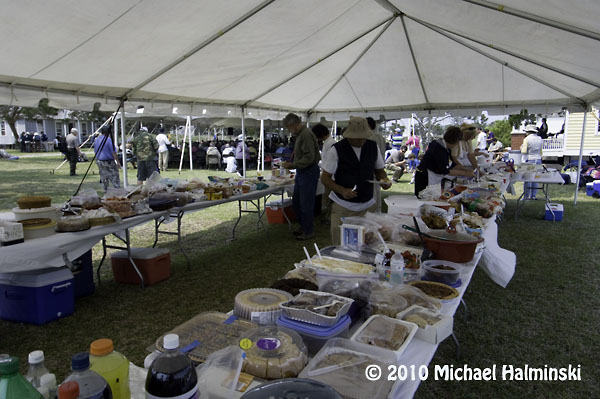
Then there’s the covered dish dinner with plenty for everyone. And the mosquitoes weren’t even that bad. If you go in 2012, I’ll see you there.
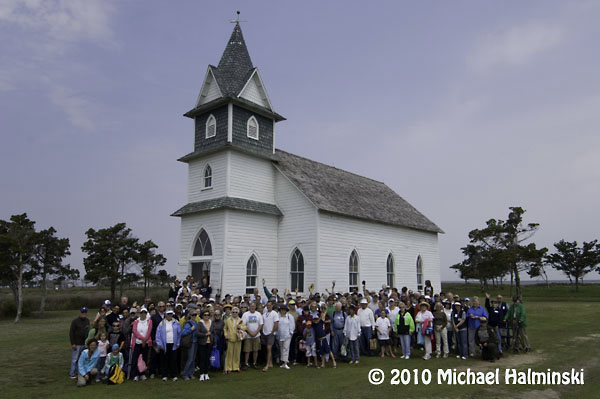
Group shot of attendees at the 2010 homecoming.
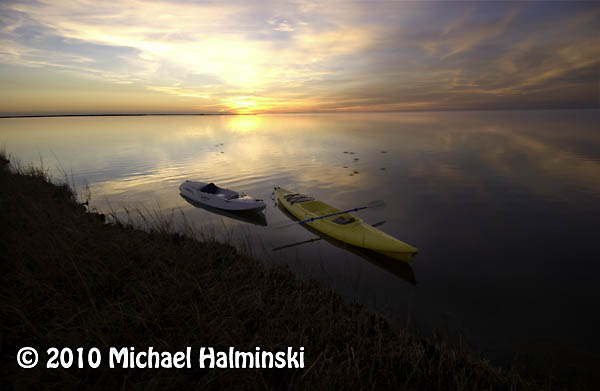



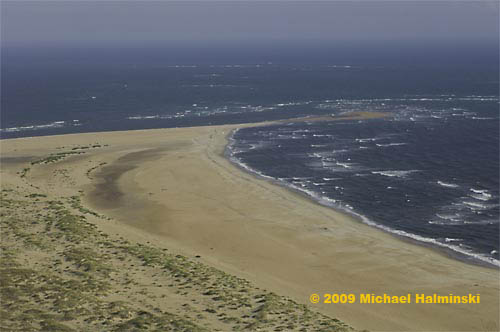 Looking out to Cape Point from the south or “the hook” side.
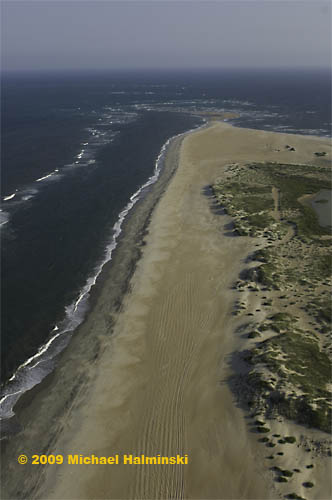 Looking toward the point from the north beach.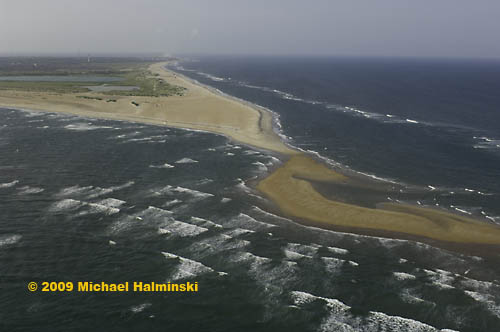
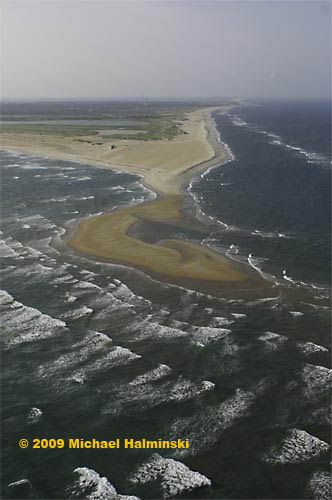 Looking toward the Cape Hatteras Lighthouse from over the Point.
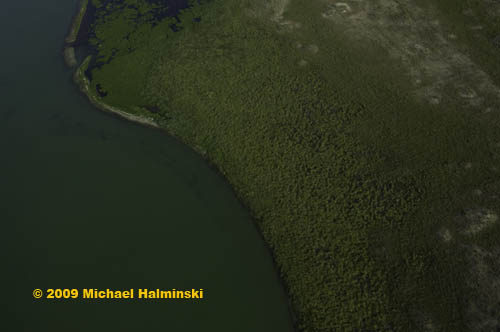 The shoreline of the pond at Cape Point.
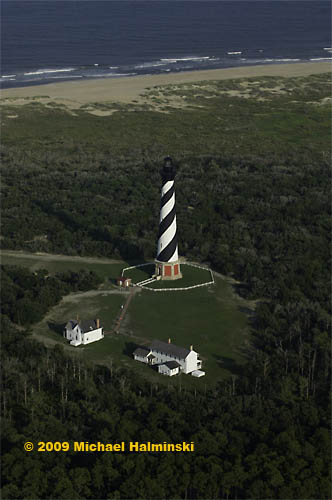 No flight is complete without a lighthouse fly-by.
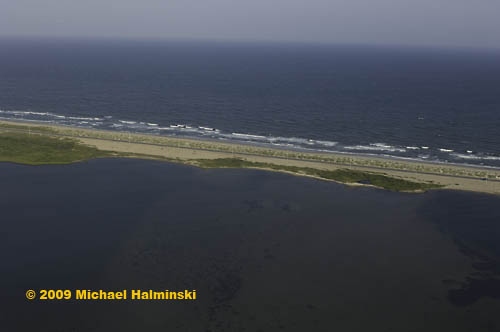 This is the site of the inlet that was cut by Hurricane Isabel.
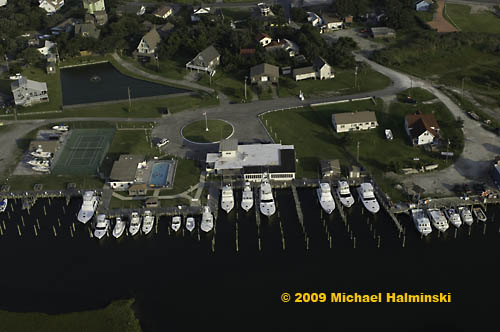 The famous Hatteras Marlin Club in Hatteras Village.
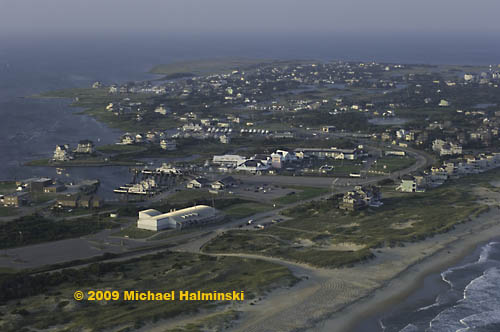 The south end of Hatteras Village at the ferry terminal to Ocracoke Island.
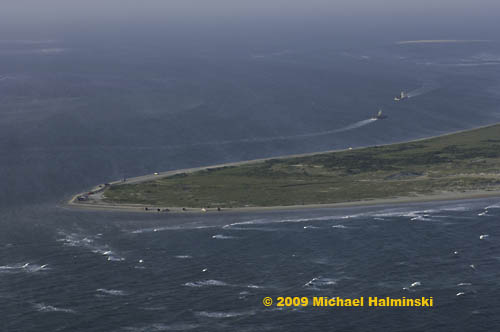 The south point of Hatteras Island at Hatteras Inlet looking to Pamlico Sound.
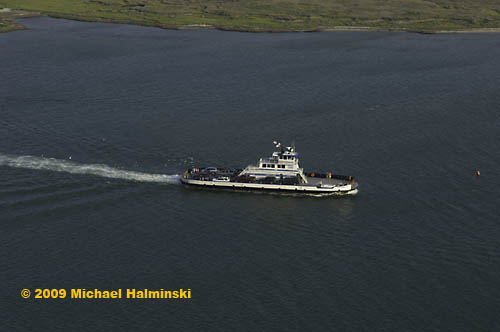 The ferry, Chicamacomico, en route to Ocracoke from Hatteras.
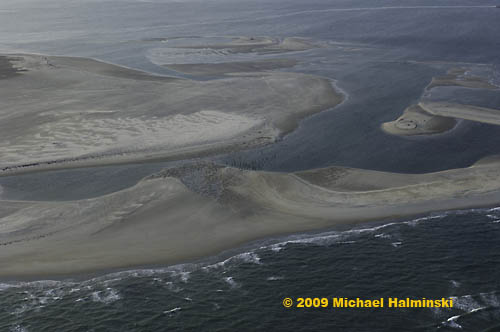 The north end of Ocracoke Island at the site of the former Hatteras Inlet Coast Guard Station. The station was destroyed in storms. All that remains are the pilings. This illustrates the lack of stability of barrier island systems.
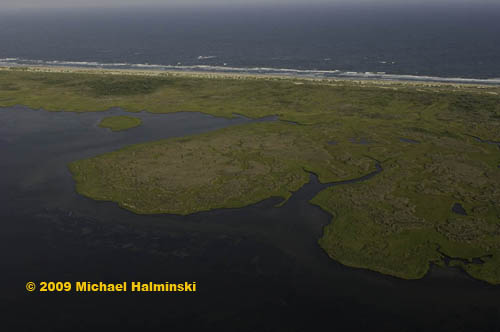 Ocracoke Island from the sound side.
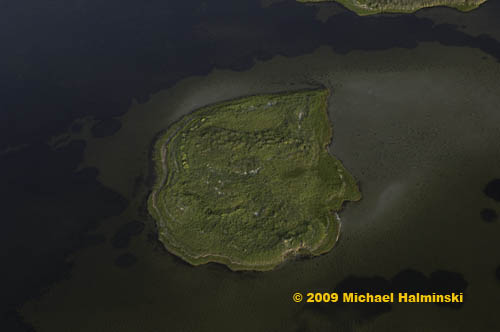 An island in the sound behind Ocracoke Island.
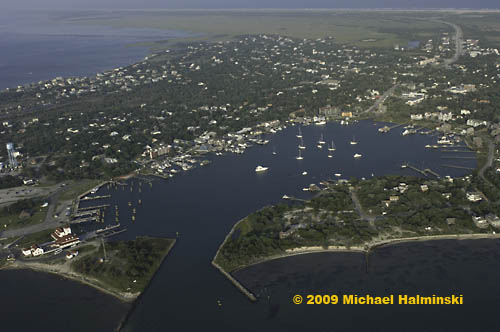 Silver Lake surrounded by scenic Ocracoke Village.
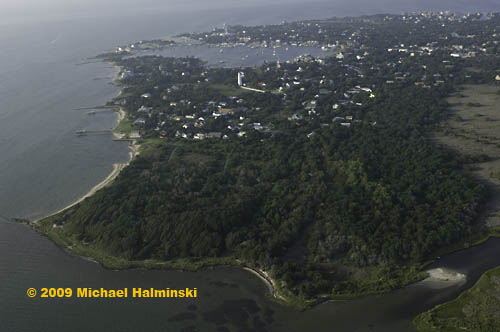 The beautiful maritime forest at Springer’s Point on Ocracoke.
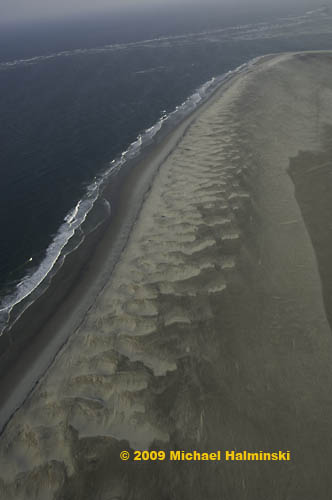 The untouched beach at Ocracoke’s South Point.
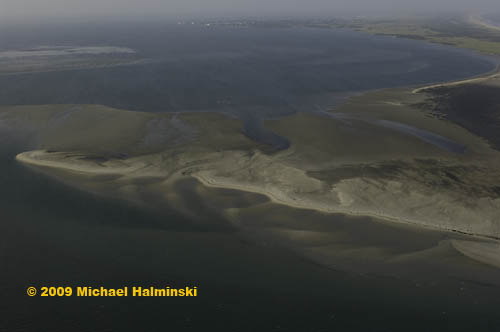 A sandbar where Ocracoke Inlet meets the Pamlico Sound.
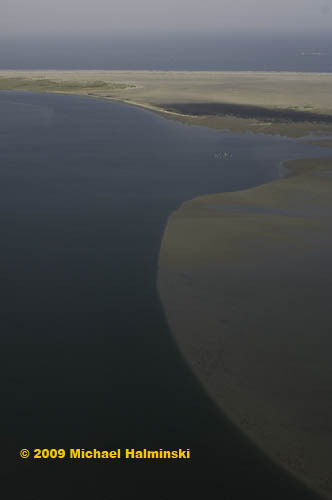 An underwater sand ridge extending into Pamlico Sound from Ocracoke Inlet.
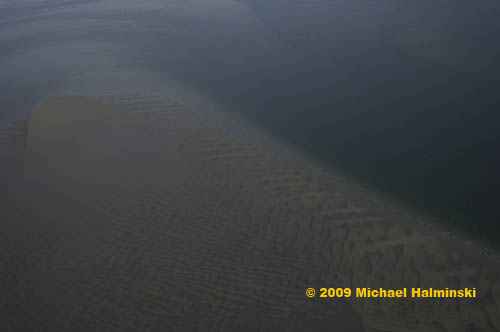 A sandbar in the Pamlico Sound near Ocracoke Inlet.
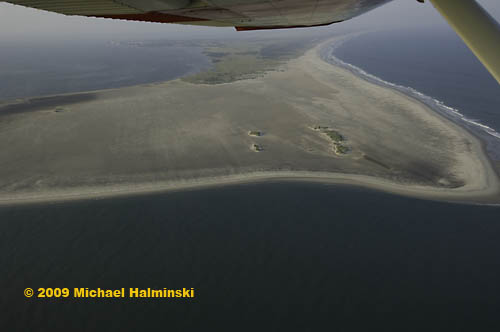 Dwight’s Cessna banking over Ocracoke Inlet for a shot at the untouched South Point.
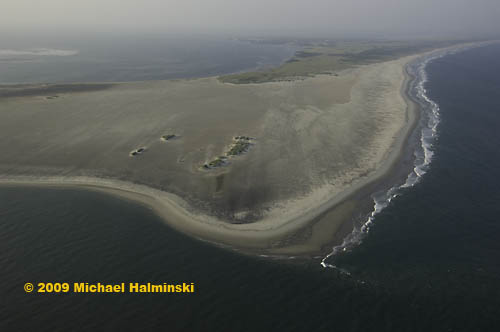 The South Point of Ocracoke in a pristine state from 1,000 feet.